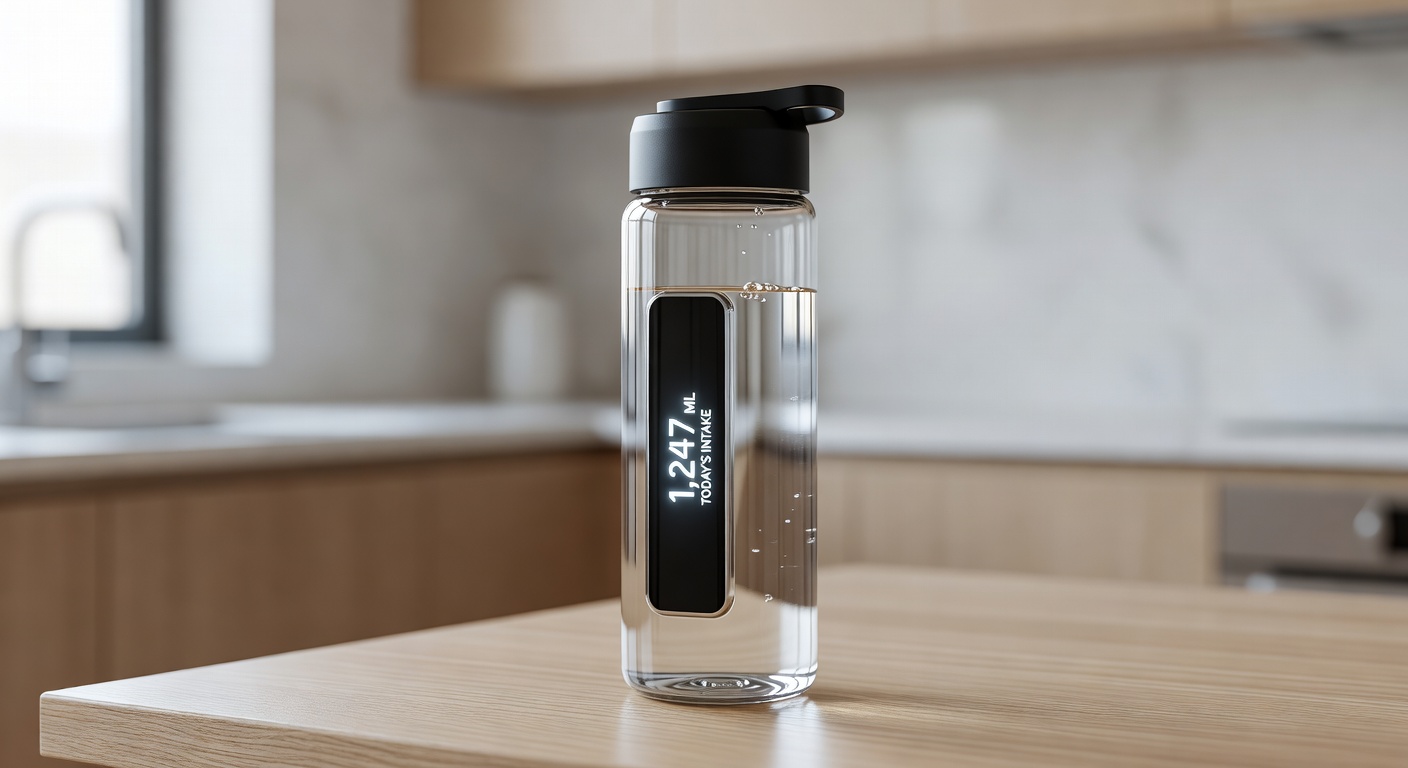
What if you could add new habits to your life without finding any extra time or willpower? That's the promise of habit stacking — and it's one that research fully backs up.
The idea is elegantly simple: identify a habit you already do consistently, and attach your new habit immediately before or after it. The existing habit becomes the cue for the new one.
The formula
Habit stacking uses a simple template popularized by James Clear in Atomic Habits:
"After [CURRENT HABIT], I will [NEW HABIT]."
Or alternatively: "Before [CURRENT HABIT], I will [NEW HABIT]."
Why it works: the neuroscience
When you perform a habit repeatedly, it becomes encoded in the basal ganglia as a "chunked" behavior. Your brain starts to anticipate the routine. Habit stacking hijacks this anticipation — the neural pathway of your existing habit becomes the trigger for the new one.
In neuroscience terms, you're creating a synaptic association between two behaviors. The more you perform them together, the stronger the association becomes, until they feel like a single fluid action.
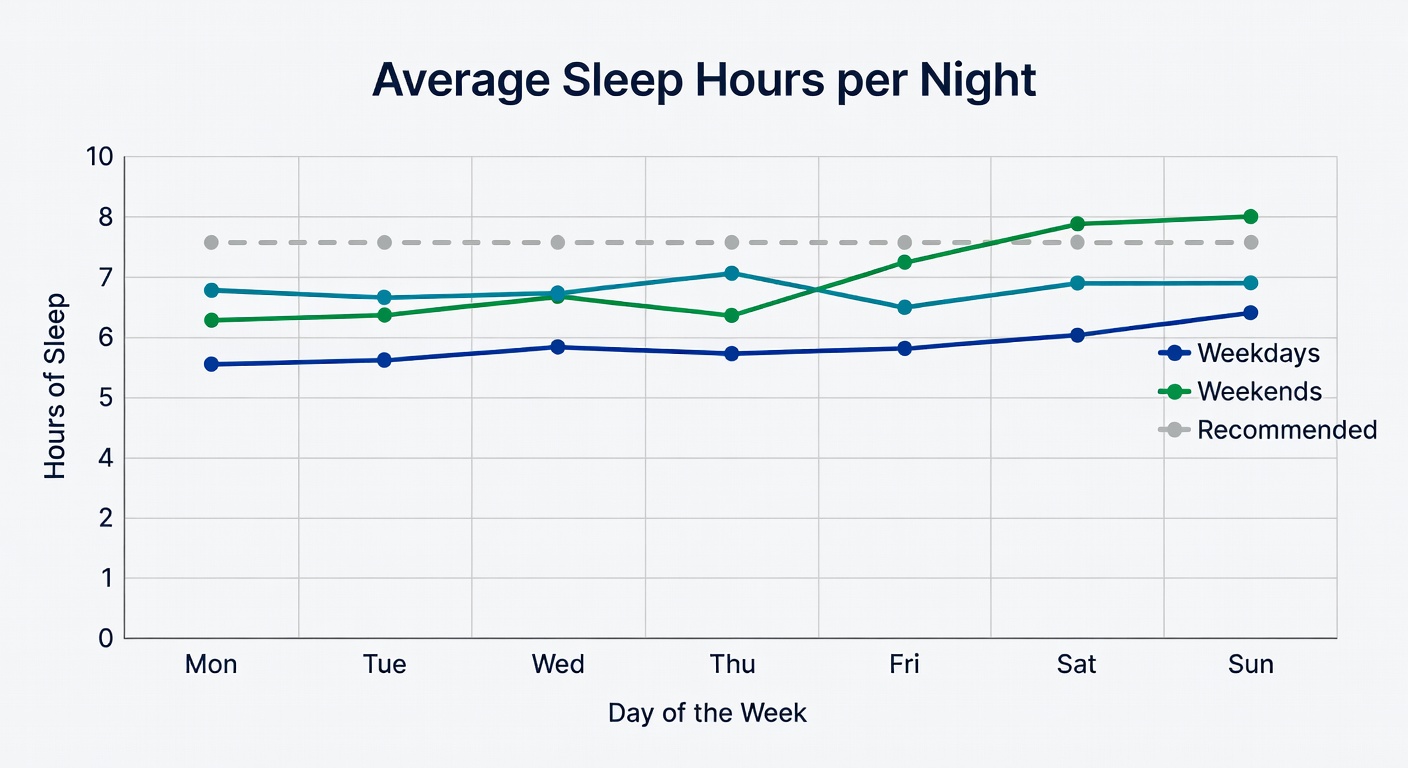
Real habit stacking examples
🌅 Morning Stack (30 min total)
☕ Coffee Stack (while coffee brews)
🌙 Evening Stack (15 min before bed)
Common habit stacking mistakes
- Stacking onto an inconsistent habit. If you only make coffee 4 days a week, don't stack onto coffee. Choose anchor habits you do every single day without exception.
- Making the stack too long too soon. Start with one addition to one anchor habit. Add more over weeks, not days.
- Choosing mismatched habits. The location and context of your anchor habit matters. A post-commute habit works best if it happens right when you sit down at your desk, not 20 minutes later when you've already lost momentum.
- Not tracking the stack. Use your Tracking Tools tracker to mark each element of your stack. The visual chain reinforces the neural chain.
How to start your first habit stack today
Pick one habit you already do every day without fail. Something automatic — brushing teeth, making coffee, getting in your car, eating lunch. This is your anchor.
Now pick the smallest possible version of the new habit you want to build. "Meditate" becomes "take three deep breaths." "Exercise" becomes "put on my running shoes." "Read" becomes "open my book."
Write the stack using the formula: "After [anchor], I will [new tiny habit]."
Do it tomorrow. Track it. Repeat.
💡 Try this now: Go to our Templates page and select the "Morning Stack" template. It's pre-built using the habit stacking method with proven anchor habits.